About Us
The History of the SEM Collaborative
Strategic Energy Management (SEM) brought together a combination of mindsets of continuous improvement, notably in quality and management systems, and energy efficiency efforts in response to energy crises in the 1970s. The Northwest Energy Efficiency Alliance (NEEA) formalized SEM in the mid-2000s, influencing the creation of SEM programs in the region and beyond.
Northwest program administrators sought to work together to elevate SEM work and impacts, and they established the Northwest Industrial SEM Working Group in 2011, ultimately becoming the Northwest SEM Collaborative, administered by NEEA. Members of that Northwest group established the North American SEM Collaborative with administrative support by the American Council for an Energy Efficient Economy (ACEEE).
Lastly, through joint North America and regional efforts, the SEM Collaborative was established as a standalone entity.

Started in the Northwest
The strategic energy management movement is rooted in the response to industry shortages and crises in the 1970s. SEM as a formalized practice began in the mid-2000s, led by Northwest Energy Efficiency Alliance (NEEA), and then grown into entities NW SEM Working Group and the North American SEM Collaborative that became tributaries to the SEM Collaborative today.
In the 2020s, NEEA created SEMHub as a resource for SEM professionals, administrators, utilities, and customers.
As the SEM Collaborative was established as a standalone entity, it acquired SEMHub to continue to provide value to the SEM community.
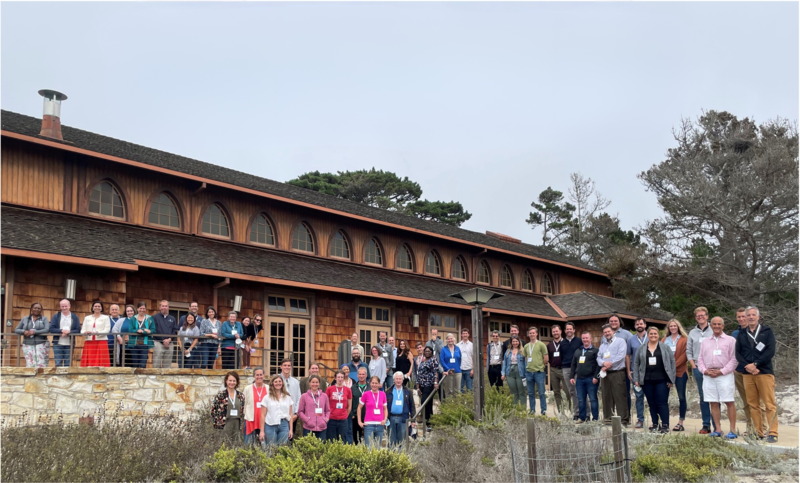
Today, we are shaping the future of SEM
The SEM Collaborative is a member-driven network advancing the practice of Strategic Energy Management across North America.
We bring together utilities, program administrators, consultants, and industry leaders to share knowledge, solve challenges, and accelerate the adoption of SEM.
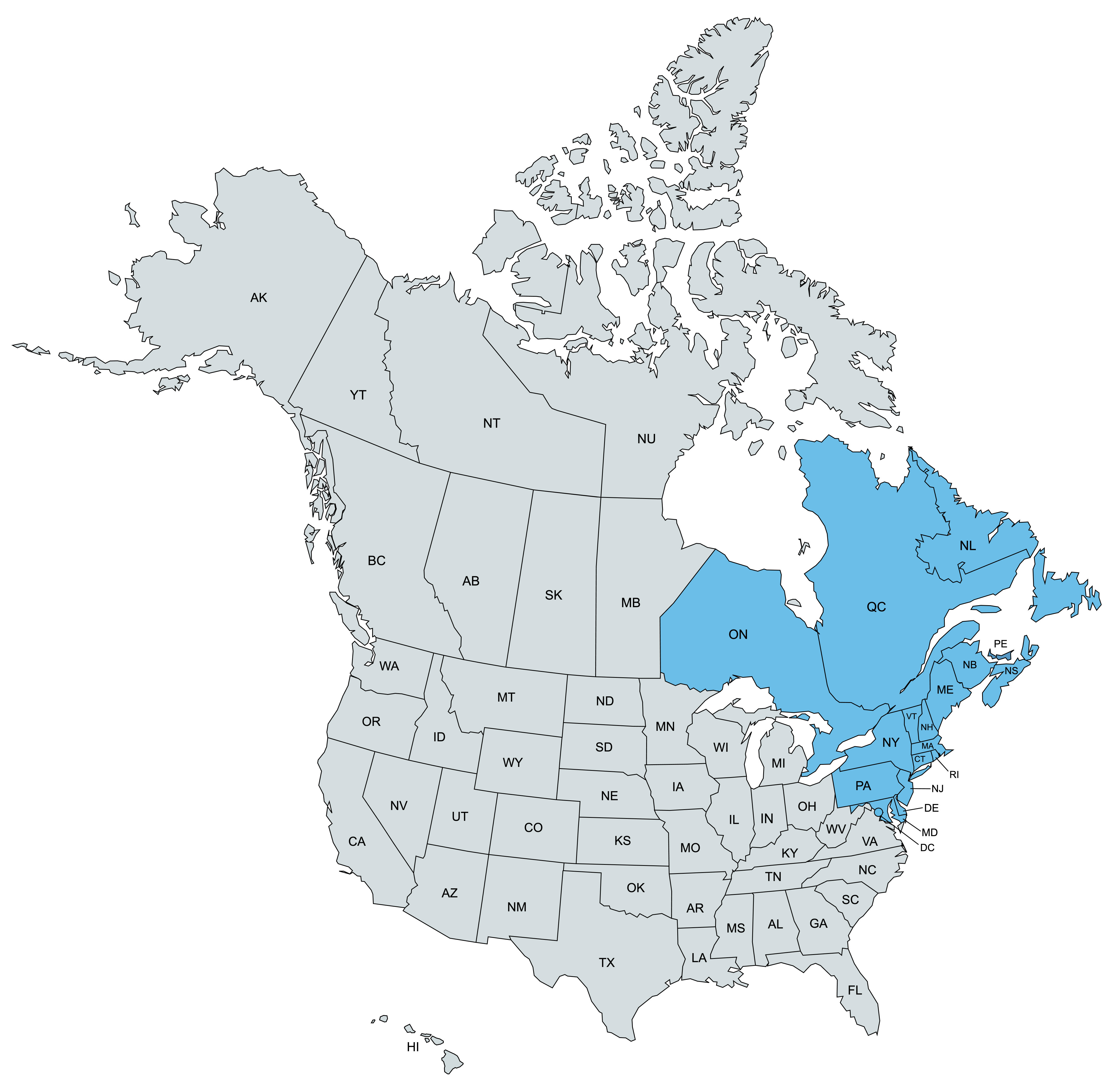
Our work spans the United States and Canada, connecting practitioners across sectors and geographies to strengthen the field as a whole.
Through collaboration, we:
- Develop and share best practices across programs and regions
- Support innovation in SEM design, delivery, and evaluation
- Provide a forum for peer learning and real-world problem solving
- Elevate the role of SEM in energy and climate strategy

